
Filming our adventure TV show Guy in the Sky, we had the honour of visiting the Seychelles — not as tourists, but as storytellers. My goal is always to uncover the true history behind a culture, not the polished version sold to holidaymakers.
What I found in the Seychelles was remarkable: just 250 years of human inhabitation, compressed into one of the most turbulent chapters in human history — colonisation, imperialism, and the slave trade.
The slaves came from various parts of Africa, hence from different ethnic groups or tribes. The majority, some 45 percent came from the sister-island of Madagascar, while another 40 percent came from East (mainly Mozambique) and Central Africa. It has left behind a strong footprint in today's culture of the Seychelles, one of those is the traditional dance of Moutya.
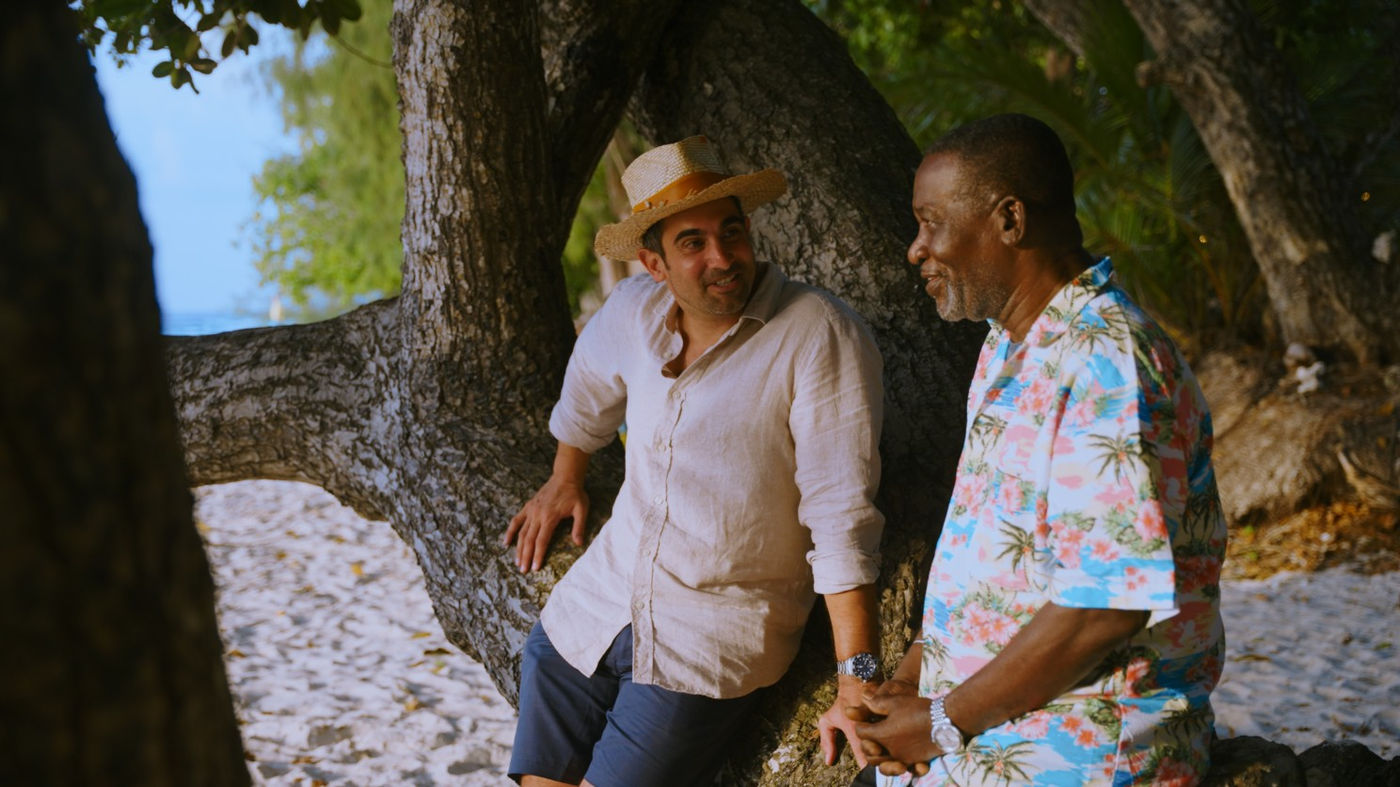
I met a man called Emmanuel d'Offay. An artist who has dedicated his life to giving faces to the enslaved — people we hear about in history books but rarely truly see. He found records of slave registration containing small photographs, which he digitalised and enlarged into paintings of Saints. Real faces. Real people. You could see the pain and defiance in their eyes. These were human beings tormented beyond what any of us can imagine — and Emmanuel chose to honour them not with pity, but with reverence.
It stopped me in my tracks.

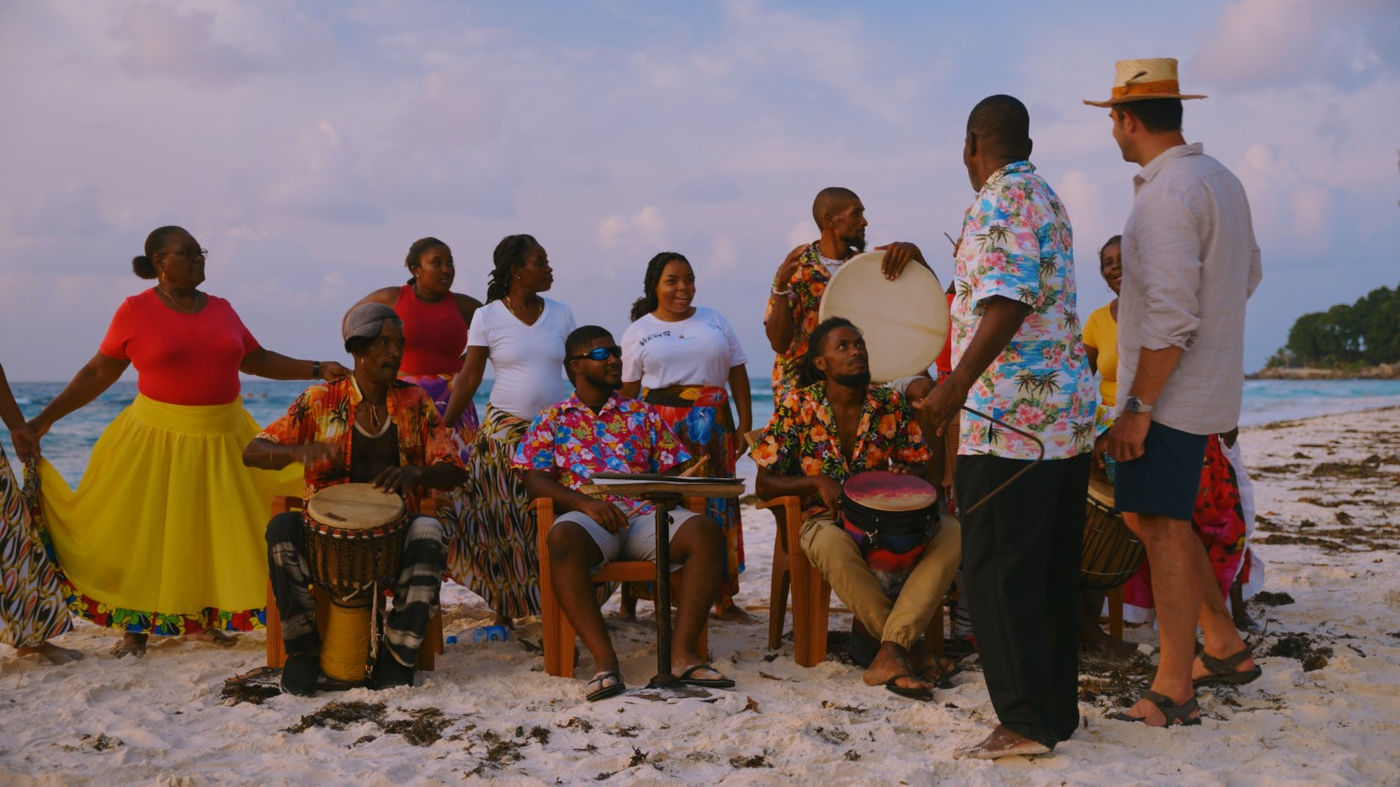
One of the most joyful moments of the trip was joining a group of traditional Moutya dancers on the beach, singing a melody descended directly from the slave era. These were wonderful people — warm, wise, and carrying something in them that had clearly been passed down through generations.
Through conversations with some of the dancers, I learned three principles that shape who they are today — shaped entirely by what their ancestors endured.

1. Community Strength Is Non-Negotiable
Families were torn apart. And yet, enslaved communities built extraordinary mutual support networks — through shared culture, storytelling, and faith. They survived not as individuals, but as a collective.
The lesson: When systems fail you, people don't have to. Build your circle. Protect it. Lean on it.
2. Cultural Identity Is a Form of Power
Music. Spirituality. Food. Language. These things survived the slave trade. They weren't just preserved — they evolved into some of the greatest cultural contributions the world has ever seen.
The lesson: Know where you come from. Your roots are not a weakness. They are your foundation.

3. Resilience Is Inherited — and So Is Strength
Modern research confirms what these communities have always known: the grit of ancestors is carried forward. It lives in their descendants as both burden and extraordinary power.
The lesson: The struggles of those before you were not in vain. You carry their strength whether you realise it or not.

These principles weren't born in boardrooms or business books. They were forged in the hardest possible circumstances — and they remain just as relevant today, whether you're navigating a career challenge, a personal crisis, or building something from nothing.
The Seychelles gave me a lot of beautiful sunsets. But it was Emmanuel's paintings and the songs of those dancers that I'll carry with me longest.
Some history deserves more than a passing glance.
Paris Norriss
Keynote Speaker, Adventurer and TV Host


